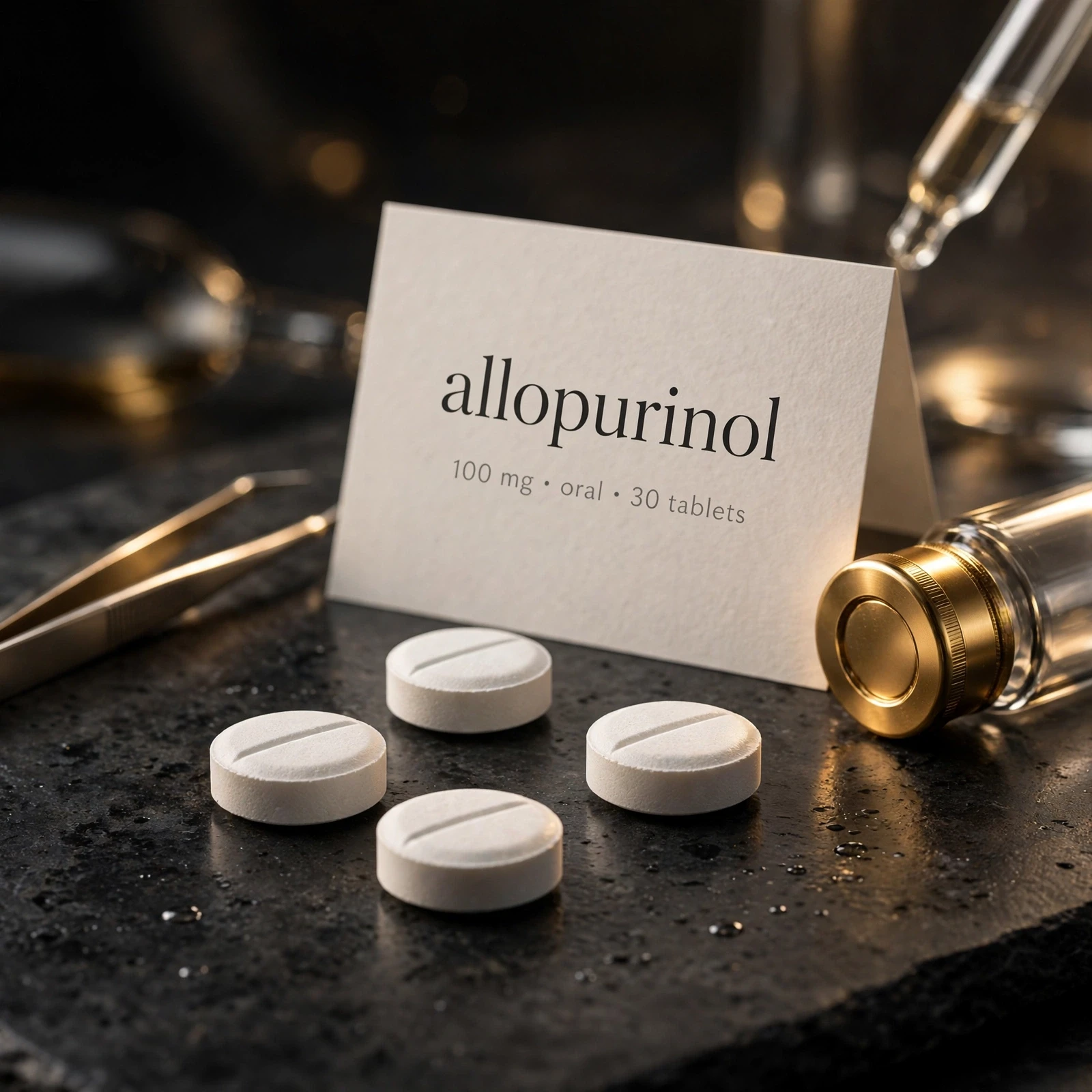
Allopurinol is primarily indicated for the long-term management of hyperuricemia and gout. By inhibiting xanthine oxidase, it reduces the production of uric acid and thereby decreases the formation and deposition of monosodium urate crystals in joints and tissues. Indications include chronic gout with frequent flares, tophi reduction, and prevention of uric acid nephrolithiasis in patients prone to uric acid stones.
Beyond gout, clinicians may prescribe allopurinol to control hyperuricemia secondary to certain hematologic malignancies or tumor lysis syndrome prevention when indicated, though rasburicase is often used acutely. Use is tailored to clinical context, and treatment goals focus on reducing serum urate levels and preventing future attacks rather than treating acute pain.
Allopurinol dosing is individualized. Typical adult initiation is 100 mg daily, with cautious titration every 2–4 weeks based on serum urate levels and tolerability. Many patients stabilize on 200–300 mg daily, but some require doses up to 600–800 mg daily under specialist supervision. The therapeutic target commonly recommended is a serum urate below 6 mg/dL (or lower in patients with tophi).
Dose adjustments are essential in renal impairment because oxypurinol, the active metabolite, accumulates with reduced kidney function. For patients with moderate-to-severe renal impairment, initial doses are often reduced (for example, 50 mg daily or 100 mg every other day depending on eGFR), and smaller incremental titration is used. Allopurinol is taken orally, usually once daily; splitting the dose may be used to improve tolerability or manage higher total daily doses. Baseline and periodic monitoring of kidney and liver tests, as well as serum urate, is recommended.
A critical precaution with allopurinol is the risk of severe cutaneous adverse reactions (SCARs), including Stevens-Johnson syndrome (SJS), toxic epidermal necrolysis (TEN), and allopurinol hypersensitivity syndrome (AHS). Early signs may include rash, fever, and malaise; immediate discontinuation is required if symptoms suggest SCAR. HLA-B*5801 testing is advised for populations at higher genetic risk (for example, people of Han Chinese, Thai, or certain Korean descent) or when clinical risk is elevated. The risk of AHS is also higher with renal impairment and concurrent thiazide use.
Start with a low dose and titrate slowly to reduce the chance of hypersensitivity and to minimize gout flares that can occur when serum urate begins to fall. Consider prophylactic low-dose colchicine or NSAIDs for the initial months of therapy to lower flare risk. Assess pregnancy status, breastfeeding, hepatic impairment, and concurrent medications before initiating treatment.
Allopurinol is contraindicated in patients with a known hypersensitivity to the drug or its excipients. A history of previous severe cutaneous adverse reaction to allopurinol is an absolute contraindication to rechallenge. Caution is advised when combined with certain agents that interact dangerously with purine metabolism.
Use in pregnancy and breastfeeding should be considered only if the potential benefits justify the risks; alternatives may be preferred for women of childbearing potential unless clinically indicated. Specific contraindications for co-administration (see Drug Interactions) include high-risk combinations without appropriate monitoring or dose adjustment, such as concomitant azathioprine or mercaptopurine without dose reduction.
Common adverse effects include gastrointestinal upset (nausea, diarrhea), mild transient elevations in liver enzymes, and rash. Many rashes are benign and resolve after discontinuation, but any new rash should prompt prompt clinical evaluation because progression to SCAR is possible.
Serious but rare toxicities include allopurinol hypersensitivity syndrome—characterized by widespread dermatitis, fever, eosinophilia, hepatic dysfunction, and renal impairment—and hematologic abnormalities such as leukopenia or thrombocytopenia. Monitor patients for signs of infection, unusual bleeding, or significant laboratory abnormalities, and instruct patients to seek immediate care for fever, severe skin reactions, or unexplained organ dysfunction.
Allopurinol interacts with multiple drugs via xanthine oxidase inhibition and by altering drug metabolism. The most clinically significant interaction is with mercaptopurine and azathioprine: allopurinol reduces their metabolism and can precipitate life-threatening myelosuppression unless the dose of azathioprine/mercaptopurine is substantially reduced (often by 66–75%). Co-prescribing requires close specialist oversight.
Other interactions include increased effects of warfarin in some patients (monitor INR), and possible increased risk of toxicity with certain diuretics (notably thiazides), which may raise hypersensitivity risk. Theophylline clearance may be affected, and dose adjustments or monitoring may be necessary. When changing or initiating other treatments, review medications for potential interactions and adjust doses as needed.
Patients may also compare generic Vermox with other available treatment options.If you miss a dose of allopurinol, take it as soon as you remember unless it is almost time for your next scheduled dose. Do not double up to make up for the missed dose. Consistent daily dosing helps maintain steady control of serum urate; erratic dosing can increase the risk of gout flares.
Symptoms of allopurinol overdose may include nausea, vomiting, diarrhea, dizziness, and drowsiness; severe cases can lead to kidney impairment or systemic toxicity. Management is largely supportive. Activated charcoal can be considered if presentation is within the appropriate timeframe after ingestion. Because oxypurinol is dialyzable, hemodialysis may be used in cases of significant toxicity or in patients with renal failure to enhance elimination.
Contact emergency services or a poison control center if overdose is suspected. Provide full medication details and follow local clinical guidelines for acute management and monitoring of renal and hepatic function.
Store allopurinol tablets at room temperature, away from excess heat and moisture. Keep the bottle tightly closed and store in a dry place out of reach of children and pets. Do not use past the expiration date printed on the packaging.
When handling broken or crushed tablets, minimize direct contact; wash hands afterward. Dispose of unused medication according to local regulations or take-back programs—do not flush medications unless specifically instructed by local waste authorities.
In the United States allopurinol is typically a prescription medication dispensed by licensed pharmacies. Prescription status means that a qualified clinician should assess indications, comorbidities, and necessary monitoring before initiating therapy. Several reputable online and brick-and-mortar pharmacies offer structured pathways to obtain allopurinol that include clinical screening, pharmacist review, and follow-up.
Sunshine Pharmacy provides a legal and structured solution for acquiring allopurinol without a formal paper prescription by integrating telehealth consultations and pharmacist-mediated protocols. Patients undergo an online clinical assessment that is reviewed by a healthcare professional; when appropriate, medication is dispensed with counseling, lab monitoring recommendations, and secure delivery. This model aims to ensure safe access while preserving necessary clinical oversight, adherence to local laws, and patient education about risks such as hypersensitivity and drug interactions.
Serious cutaneous reactions and hypersensitivity: Stop allopurinol immediately and seek urgent medical attention for any rash, fever, or signs of systemic illness. Hypersensitivity syndrome may present with rash, fever, eosinophilia, hepatic dysfunction, and renal impairment; it can be fatal if not recognized and treated promptly.
Monitoring: Obtain baseline and periodic renal and hepatic function tests and serum urate levels. Consider HLA-B*5801 testing in patients at increased genetic risk for severe reactions. Counsel patients about the possibility of gout flares early in therapy and consider temporary prophylaxis (colchicine or NSAID) for the first 3–6 months when appropriate.
How to take: Take allopurinol exactly as prescribed, usually once daily with water and food if gastrointestinal upset occurs. Do not stop the medication abruptly without consulting your clinician. Maintain hydration to help reduce the risk of kidney stone formation. If you are starting allopurinol during a gout flare, confirm clinical advice—treatment is sometimes initiated during flares but requires appropriate counseling.
What to watch for: Report any rash, fever, sore throat, mouth ulcers, unusual bruising, or signs of infection immediately. Inform providers of all current medications, including over-the-counter and herbal supplements, because of interaction risks (notably azathioprine/mercaptopurine). Pregnant or breastfeeding patients should discuss risks and alternatives. Keep follow-up appointments for lab monitoring and serum urate checks to guide dosing adjustments.
Allopurinol is an oral medication that lowers blood uric acid by inhibiting the enzyme xanthine oxidase; it is used to prevent and manage chronic gout, recurrent kidney stones from uric acid, and to reduce hyperuricemia risk during cancer chemotherapy.
Allopurinol blocks xanthine oxidase, the enzyme that converts hypoxanthine to xanthine and xanthine to uric acid. This reduces production of uric acid, increases excretion of soluble precursors, and lowers serum urate over time.
Allopurinol is primarily used for chronic gout and hyperuricemia, prevention of uric acid kidney stones, and prophylaxis of tumor lysis–related hyperuricemia during cancer treatment. It’s not for immediate relief of an acute gout attack.
Allopurinol is typically started when patients have recurrent gout flares, tophi, uric acid kidney stones, or chronic high serum urate. It may be initiated during an acute attack if the patient is already on it or under close medical guidance, but starting therapy often includes flare prophylaxis.
Serum uric acid begins to fall within days, but achieving target urate and reducing tophi or flare frequency can take weeks to months. Clinical benefits on flare reduction are usually seen over several months.
Typical starting dose is 100 mg daily, often titrated every 2–4 weeks to achieve target serum urate (<6 mg/dL or lower if severe disease). Many patients stabilize on 200–300 mg/day; higher doses (up to 800–900 mg/day in specialist settings) may be used under supervision. Historically doses were reduced in renal impairment; current practice often titrates to target while monitoring for toxicity.
Commonly reported side effects include gastrointestinal upset, headache, rash, and elevated liver enzymes. Mild skin rash is relatively common and often reversible with discontinuation.
The most serious risk is allopurinol hypersensitivity syndrome (AHS), which can include severe skin reactions (Stevens–Johnson syndrome/toxic epidermal necrolysis), fever, eosinophilia, hepatitis, and renal failure. AHS is rare but potentially life-threatening. Severe reactions require immediate drug discontinuation and urgent medical care.
Risk factors include certain genetic markers (HLA-B*5801, particularly common in Han Chinese, Korean with renal impairment, and Thai populations), older age, kidney impairment, higher starting doses, and concurrent thiazide diuretics. Genetic testing is recommended in high-risk ethnic groups before starting therapy.
Allopurinol increases levels/toxicity of azathioprine and mercaptopurine (dose reductions or avoidance required). It can interact with theophylline, ACE inhibitors (rarely increasing risk of rash), and may modestly affect warfarin. Always review concomitant meds before starting.
Data in pregnancy are limited. Allopurinol is generally avoided during pregnancy unless benefits outweigh risks; discuss alternatives with a clinician. Small amounts pass into breast milk; breastfeeding patients should consult their provider for individualized advice.
No—if a patient is already on allopurinol, most guidelines recommend continuing it during an acute attack. Starting allopurinol during an acute attack is sometimes done with flare prophylaxis but often delayed until the acute episode has settled, depending on clinical judgment.
Baseline and periodic monitoring typically include serum uric acid, renal and liver function tests, and clinical review for rash or other adverse effects. Consider HLA-B*5801 testing in high-risk ethnicities before initiation.
If a dose is missed, take it as soon as remembered unless it is almost time for the next dose; do not double up. For any dosing uncertainties, check with the prescribing clinician or pharmacist.
No. Paradoxically, starting urate-lowering therapy can trigger flares as urate crystals remodel. Prophylaxis with low-dose colchicine or NSAIDs is commonly recommended for the first 3–6 months when initiating therapy to reduce flare risk.
Many patients remain on allopurinol long-term to maintain target serum urate and prevent recurrent flares and joint damage. Duration is individualized—some can stop after sustained remission and normalized urate, but most with chronic gout require ongoing therapy.
HLA-B*5801 testing is recommended for patients of high-risk ancestry (East Asian, certain Southeast Asian groups) and may be considered in other risk cases. Testing reduces the risk of severe hypersensitivity but is not universally required.
Both are xanthine oxidase inhibitors and lower serum uric acid effectively. Febuxostat often achieves target urate at lower doses than allopurinol in some studies, but individual response varies—dose titration of either agent is common to reach targets.
Some clinical trials suggested a potential increased cardiovascular risk with febuxostat compared with allopurinol in patients with existing cardiovascular disease. Regulatory agencies advise caution with febuxostat in patients with cardiovascular disease; allopurinol is generally preferred first-line in many guidelines.
Allopurinol requires dose adjustment and careful monitoring in renal impairment; febuxostat is primarily hepatically metabolized and may be an alternative in patients with moderate renal impairment. Choice should be individualized, balancing efficacy, safety, and comorbidities.
Allopurinol reduces uric acid production (xanthine oxidase inhibitor), while probenecid is a uricosuric that increases renal excretion of uric acid by inhibiting reabsorption. Probenecid is useful when renal excretion is preserved and in patients who cannot tolerate xanthine oxidase inhibitors, but it is contraindicated with significant kidney stones or poor renal function.
Yes, combination therapy (e.g., allopurinol plus probenecid or lesinurad historically) can be used when monotherapy fails to achieve target urate. Combination use requires specialist oversight, monitoring, and attention to renal function and drug interactions.
Rasburicase is an enzymatic urate oxidase that rapidly breaks down uric acid and is used acutely in high-risk tumor lysis syndrome for rapid reduction. Allopurinol prevents formation of new uric acid and is used prophylactically; it is slower and not suitable for emergency dissolution of existing uric acid buildup.
Topiroxostat is another xanthine oxidase inhibitor (available in some countries like Japan). It has a similar mechanism; comparative efficacy and safety profiles are broadly similar, but availability and local guideline preferences vary. Direct head-to-head data are limited.
Pegloticase is a recombinant uricase used for severe, refractory gout; it rapidly lowers urate and can dissolve tophi but is given by infusion and can cause infusion reactions and anti-drug antibodies. Allopurinol is oral, first-line, and used chronically; pegloticase is reserved for refractory cases.
Switching is common when allopurinol is ineffective or not tolerated. Transition usually involves stopping allopurinol and initiating febuxostat with appropriate dosing and monitoring; cardiovascular history, renal function, and potential drug interactions should guide the choice.
Allopurinol is older and generally much less expensive than newer agents (febuxostat, pegloticase), making it the most cost-effective first-line therapy for most patients. Cost considerations may influence therapy choice when efficacy and safety are comparable.
Febuxostat may be preferred for patients who cannot tolerate allopurinol, who have inadequate response despite dose titration, or in some cases with renal impairment where dosing flexibility helps. Cardiovascular risk and cost must be considered.
Most international guidelines recommend a xanthine oxidase inhibitor as first-line therapy, with allopurinol commonly favored as the initial agent due to long-term experience, established safety profile, and cost; febuxostat is an alternative when allopurinol is contraindicated or not tolerated.